
Understanding GLP-1 Impact on Consumers
A small, but rapidly growing population
GLP-1s, or glucagon-like peptide-1 receptor agonists, are a class of medications used to treat obesity and type 2 diabetes. These drugs mimic a naturally occurring gut hormone that plays a key role in regulating blood sugar, appetite, and digestion. GLP-1s medications work by activating brain receptors that help control hunger and satiety. They stimulate insulin release, improve blood sugar regulation, suppress appetite, and slow gastric emptying, helping individuals feel fuller for longer. As a result, GLP-1’s such as Ozempic, Wegovy, and Mounjaro have proven highly effective for weight loss, reducing caloric intake by as much as 16%-39%.
According to KFF, 12% of Americans are currently taking GLP-1 medications, and as these treatments continue to evolve and become more accessible, that number is expected to grow. These shifts are already creating a ripple effect across the food landscape. As the population of GLP-1 users expands and eating habits evolve, traditional food purchasing behaviors are changing. While many consumers are eating less and spending less time focused on food, they still demand convenient, functional options that meet their evolving nutritional needs. For food companies, this presents both a challenge and an opportunity: how to meet consumers where they are with products designed for a new way of eating.
Food Aversions
Many GLP-1 users report fewer cravings for processed foods and alcohol, claiming that these items no longer taste the same to them. In IFF’s 2024 research study, 85% of surveyed GLP-1 users said they experienced changes in food preferences, including new aversions to fatty foods, fried items, sweets, coffee, and alcohol.
GLP-1 users are adapting to an entirely new way of eating, shaped by shifting preferences and heightened sensitivity to flavors and textures. For this small but rapidly growing consumer group, many existing products may no longer resonate with them. Reformulating products to meet their needs requires tuning into these evolving sensitivities to make eating a more effortless experience.
Reducing Food Noise
Stanford researchers explain that GLP-1s impact the brain’s reward system, specifically dopamine—the neurotransmitter responsible for pleasure, reward, and motivation. For many users, food no longer delivers the same dopamine surge, making it easier to ignore “food noise” or the constant thoughts, cravings, and guilt associated with eating.
By quieting this mental chatter, these medications make it easier for individuals to align their habits with long-term health goals, often resulting in noticeable shifts in eating patterns. Many GLP-1 consumers lose interest in foods they once craved and even reduce the frequency of grocery shopping. In fact, Datassential reported that 39% of GLP-1 users are purchasing less food overall, often moving away from highly processed options.
Evolving Dietary Needs
Prioritizing protein, fiber, and healthy fats
With reduced hunger signals and increased satiety, caloric intake can drop significantly, sometimes to the point where users unintentionally skip meals. As appetite shifts and gastrointestinal side effects emerge, many GLP-1 users feel full much faster and struggle with larger portion sizes. To support healthy, sustainable weight loss and prevent muscle loss, fatigue, and GI discomfort, medical professionals recommend eating 5–6 small meals throughout the day. These meals should prioritize lean protein, fiber, healthy fats, and adequate hydration. At the same time, users are encouraged to limit processed and greasy foods, which can exacerbate side GI effects and hinder weight-loss progress.
This shift is reflected in broader consumer behavior: Tastewise reported that conversations around fiber have grown 15.6% year over year over the past two years, while protein-related conversations have increased by 11%, signaling a clear move toward more functional, nutrient-dense eating.


Micronutrients Matter
When caloric intake is reduced, it becomes even more important for GLP-1 users to prioritize nutrient-dense foods because each calorie must work harder to support overall health. With this, nutrient deficiencies are common among individuals taking GLP-1 medications, with iron, calcium, and vitamin D being the most frequently reported.
Convenience is Key
Convenient and ready-made options that incorporate key micronutrients are especially important. As users spend less time thinking about food and focus primarily on getting enough protein and fiber, micronutrients can easily be overlooked. Ensuring those nutrients are built into everyday food choices is essential for avoiding fatigue and supporting overall health while on these medications.
GLP- 1 Friendly Innovations
wellness focused Products and menu innovations
As the population of GLP-1 users continues to grow, we’re seeing a wave of new products and restaurant offerings designed to support this evolving approach to eating. In fact, Tastewise reports that conversations about GLP-1s in the food & beverage industry have increased by 63% YOY over the past two years. From protein- and fiber-rich snacks to portion-controlled frozen meals, food brands and restaurants are beginning to develop more products that align with the nutritional needs of GLP-1 users.
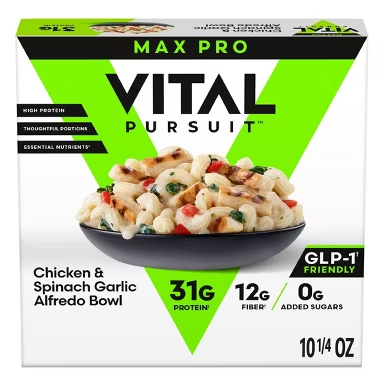
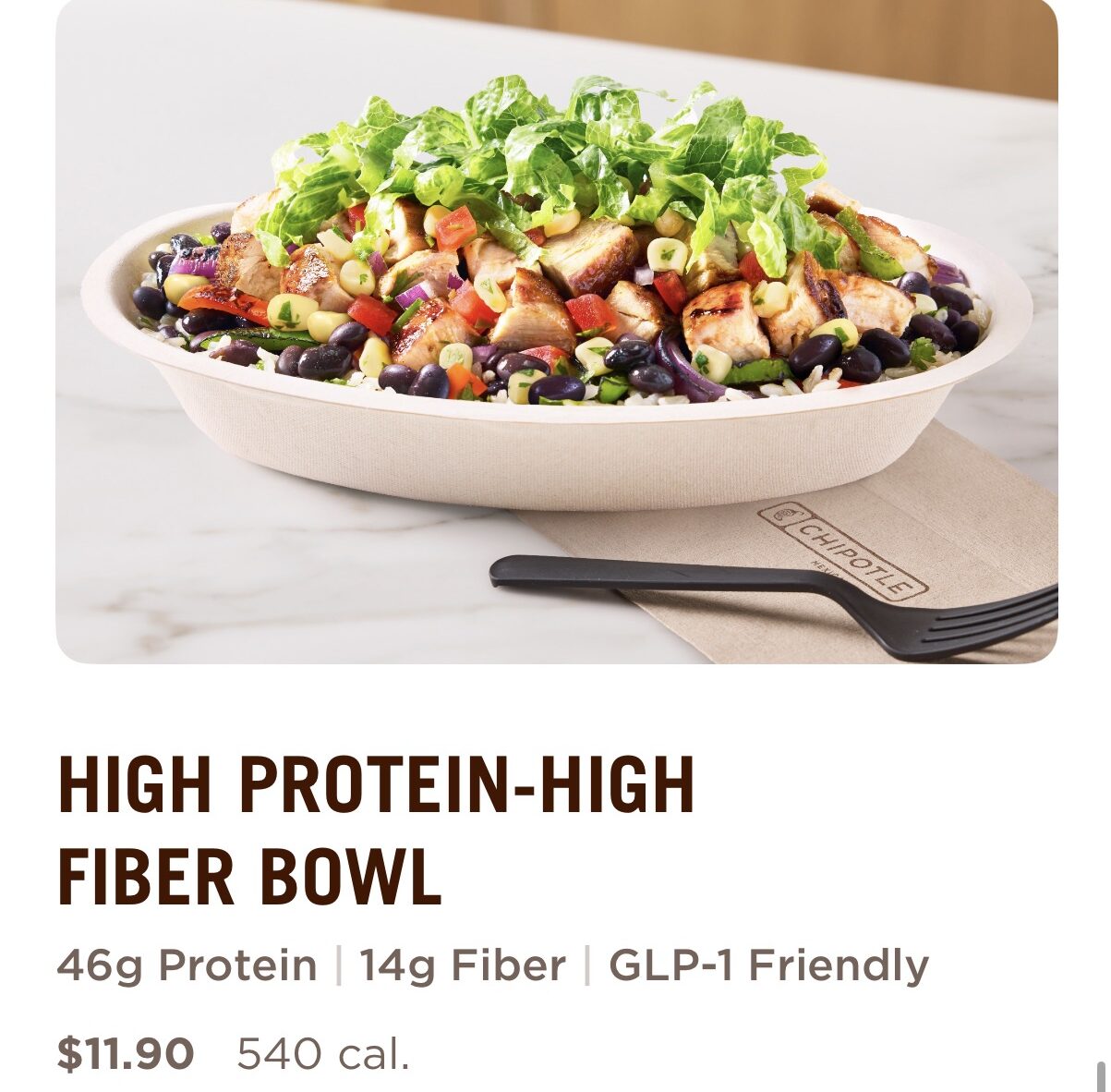
For example, Chipotle recently introduced a dedicated GLP-1-friendly menu featuring customizable meals that emphasize protein and fiber. Coffee chains such as Starbucks and Dunkin’ are capitalizing on demand for higher-protein beverages, making protein-enhanced coffees more widely available. Brands are also rethinking snacks and smaller meal occasions. Tropical Smoothie Cafe unveiled its new Toasted Snack Rolls to meet growing demand for nutrient-dense, portion-controlled options. In the frozen food aisle, products such as Nestlé’s Vital Pursuit line are specifically designed for GLP-1 users, offering meals that are high in protein, lower in calories, and portioned for smaller appetites. Grocery shelves are evolving as well. We’re beginning to see more fiber-focused snacks, including products like Ratio and Smartfood’s Fiber Pop. Adding fiber to foods that traditionally provide little nutritional value helps create more snack options that align with the priorities and appetites of many GLP-1 consumers.

Appealing to GLP-1 Consumers
adapting to a new way of eating
Smaller portions – GLP-1 users experience increased satiety, making large meals difficult to finish. To meet daily caloric needs without discomfort, they’re often advised to eat smaller meals throughout the day. However, with reduced food noise, it’s easy to forget to eat, especially multiple times per day, which is why quick and low-effort options are essential
High protein, fiber, and healthy fats – With caloric intake reduced by up to 40%, every bite needs to be nutrient-dense. Prioritizing protein, fiber, and healthy fats helps support muscle retention, digestion, and overall health, while also minimizing gastrointestinal side effects.
Convenience – GLP-1 users are spending less time thinking food and spending less time in grocery stores overall. As a result, demand for convenient, ready-made options is growing—especially in frozen and shelf-stable formats. These options not only simplify eating but also help reduce food waste from unused perishables.
Micronutrient support – While macronutrients tend to take priority, micronutrients are equally important. With reduced caloric intake, it’s easy to fall short on essential vitamins and minerals. GLP-1 users benefit from foods that incorporate micronutrients or from vitamin supplements to help fill those gaps.
Altered Taste Perception – GLP-1 users often report changes in flavor perception, no longer craving the foods they once enjoyed. They may also become more sensitive to texture, sugar alcohols, and strong flavors and smells. It’s important to keep heightened food sensitivity in mind when formulating products tailored to GLP-1 consumers.
Interested in developing a custom seasoning?
Reach out to our talented LifeSpice team today! We’ll take the time to learn about your product and develop the perfect seasoning to take your product to the next level.